
Gymnastics Dream
CrazyLabs LTDSimulation
3.5124.00 Reviews
- Version
- 0.5.1
- Installs
- 500.00K
- Age Rating
- Teen
Screenshots
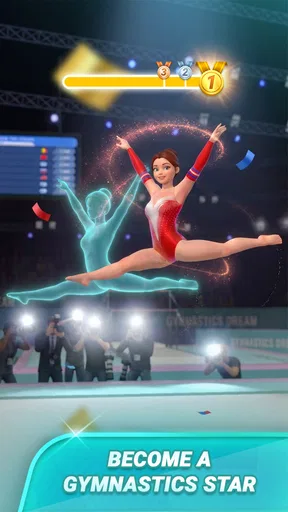
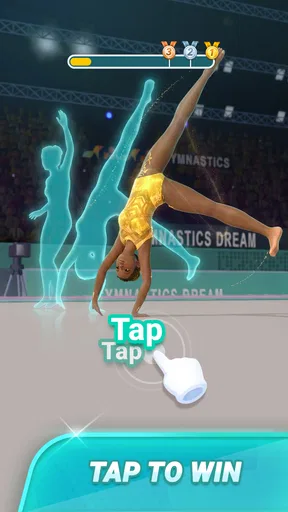
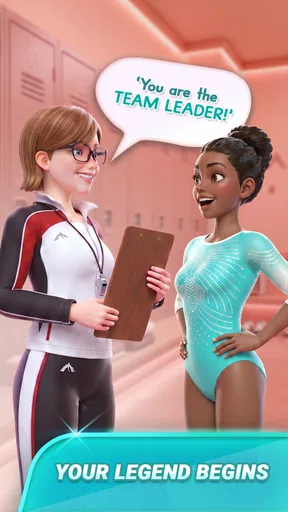


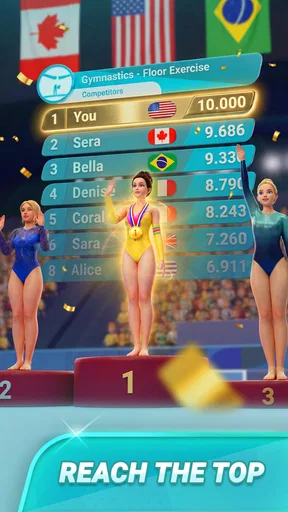
Our Review of Gymnastics Dream
 Analysis by Appyee
I approached Gymnastics Dream expecting a light gymnastics-themed simulation, and that is exactly where it fits best: a casual game built around tapping, training, changing an athlete’s look, and working toward better performances. It is not trying to replace a serious sports simulator. Instead, it turns the idea of becoming a gymnastics star into a simple mobile routine that is easy to understand during a short break.
The game comes from CrazyLabs LTD and is free to install, with optional in-app purchases ranging from $0.99 to $49.99 per item. It is listed for Teen players, so I would not treat it as a game aimed at very young children without checking it together first. The current version is 0.5.0, and it has already passed 500K installs. Its average rating sits at 3.5 from around 759 ratings, which suggests a mixed but reasonably interested audience rather than universal approval.
What the first session feels like
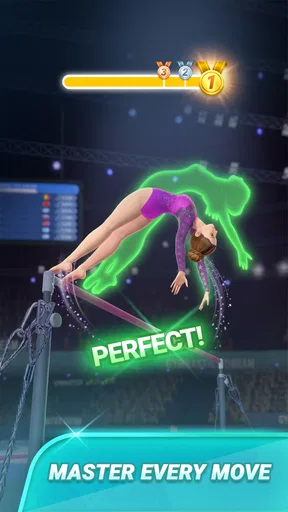
The central appeal is immediate. You tap through training, work on gymnastics progress, dress up the character, and aim for gold. That loop is much more approachable than a game that expects you to understand real gymnastics technique, event scoring, or complicated controls before you can enjoy it.
My first useful piece of advice is to treat the opening session as a tutorial in rhythm rather than a test of athletic knowledge. Pay attention to what each tap is asking you to do, and do not rush through the early prompts simply because the actions look obvious. In a game based on timing and repeated input, learning the pace matters more than tapping as quickly as possible.
The simulation label is important, but it needs to be understood in a mobile-game sense. You are simulating the journey of a gymnast, not managing every part of a professional training program. The fun comes from seeing a small action contribute to a larger goal: a stronger-looking athlete, a more polished appearance, or a better chance of winning.
That makes the game suitable for players who enjoy visible progression and quick decisions. It is less suitable for someone searching for a detailed recreation of floor routines, apparatus technique, judging criteria, or realistic conditioning. If your ideal gymnastics game is built around precision controls and authentic rules, this will probably feel too simplified.
Why the tap-based design works
Tap controls are a good match for the subject because gymnastics already suggests timing, preparation, and controlled movement. Even when the underlying action is simplified, the player still feels involved in the athlete’s development instead of merely watching an animation. I found that the strongest moments came when I focused on making deliberate inputs rather than treating every screen as something to clear as fast as possible.
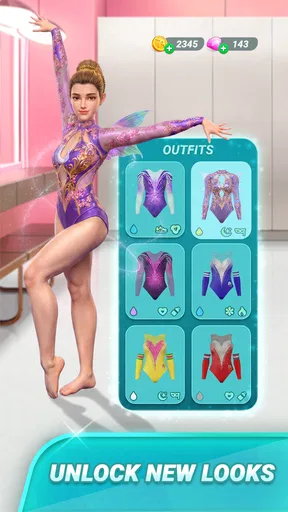
There is also a useful separation between training and presentation. Improving the athlete and choosing an outfit serve different kinds of satisfaction. Training gives the session a goal, while dressing up adds personal expression. If you usually lose interest in repetitive simulation loops, the customization side can give you a reason to return without pretending that it changes the entire game.
The best way to enjoy the opening is to alternate progress with personalization. Complete a meaningful training action, then spend a moment looking at the available appearance choices. This prevents the game from becoming a string of identical taps and helps you notice which part of the experience you actually value.
Who will probably enjoy it
I would recommend it to casual players who like sports themes but do not want a demanding control scheme. It also suits people who enjoy character presentation, short progression loops, and the feeling of building toward a medal. A first-time mobile gamer can understand the general objective quickly, while a gymnastics fan may appreciate the theme even if the mechanics are more playful than realistic.
It can work especially well in an everyday situation such as a commute, a waiting room, or a few minutes before bed. You can open it with a simple intention: complete one training step, improve the athlete’s presentation, and stop. That mindset is healthier than expecting a long, deep session from a game designed around accessible interactions.
I would skip it if you dislike repeated tapping, cosmetic choices, or progress systems that simplify a sport into short actions. I would also choose a more technical alternative if you want direct control over routines or a simulation that teaches genuine gymnastics concepts. This game is about the fantasy of becoming a star, not about learning how to perform a safe back handspring.
Getting started without wasting the first session
When I start a casual game like this, I try to learn its rhythm before chasing every visible goal. In this section, I’ll focus on how to make the opening minutes useful: notice what an action asks of you, then choose a small target you can finish without rushing. That approach also makes it easier to spot where new players can misread the game as they continue.
What to do immediately after installing
Because the game is free, the first decision is not whether to buy access but how to approach the available progression. I recommend playing the initial sequence without making an early purchase. First learn how the training taps behave, how the game presents goals, and whether the pace feels comfortable on your device.
The minimum operating-system requirement is Android 7.0, so the game is available to a broad range of Android phones and tablets. That does not guarantee identical performance on every device, but it does mean you do not need a recent flagship simply to try the basic experience. If your phone is older, give the opening actions a little attention before deciding whether the controls feel responsive enough for you.
Do not confuse a free download with a completely cost-free progression path. Optional purchases are part of the design, and the individual items range from $0.99 to $49.99. I would keep the first session focused on understanding the loop rather than spending to accelerate it. Once you know whether you genuinely enjoy the training rhythm, you can make a more informed choice about whether any purchase is worthwhile.
The Teen age rating is another practical point for families. The theme is colorful and accessible, but the rating means parents should make their own decision about suitability and supervise purchases where appropriate. I would not hand the game to a child and assume the free label answers every question about how it should be used.
Finding the first meaningful success
Your first real success should not simply be opening the game or changing an outfit. It should be completing a training action with enough attention to understand why it worked. Watch for the instruction, identify whether the game expects a single tap or a sequence, and then repeat the action at the same pace rather than improvising.
This is a small distinction, but it matters. Players often blame themselves when a tap-based game feels inconsistent, while the real issue is that they are tapping before the prompt is fully understood. My approach was to slow down for the first few attempts, then increase speed only after the timing felt predictable. That creates a reliable baseline for later sessions.
After completing that first action, check what changed. The useful question is not only whether you received a reward, but whether the result moved your athlete toward the next goal. This helps you distinguish between actions that advance training and actions that mainly affect appearance. When a game combines progression with dressing up, knowing which choice serves which purpose prevents aimless tapping.
A practical routine is to set one target before every short session. For example, decide that you will finish one training task or test one appearance change, rather than trying to do everything at once. This keeps the game reassuring for a first-time user and makes it easier to stop without feeling that you abandoned a complicated plan.
Making the outfit system work for you
The dressing-up element is more useful as a motivation tool than as a reason to ignore training. I would first establish a basic progress rhythm, then use the appearance options as a reward or a change of mood. If you begin with customization and never connect it to your larger goal, the session can feel busy without feeling productive.
There is also a personal trade-off here. Some players will enjoy creating a distinctive gymnastics star and may spend more time comparing looks. Others will see the outfit choices as decoration and want to return immediately to the action. Neither approach is wrong, but the game is more enjoyable when you recognize which one matches your own reason for playing.
One non-obvious tip is to use customization as a stopping point. Once you have completed a training action and made one appearance decision, close the game instead of continuing automatically. This creates a compact play cycle and helps prevent the repetitive side of the simulation from taking over your free time.
Understanding purchases before they become frustrating
The broad purchase range means the game can appeal to players who want to spend nothing, while also presenting optional items for people willing to pay more. I would not judge the entire experience by the presence of purchases alone. The more important question is whether the free loop remains enjoyable before you consider paying.
My recommendation is to wait until you have played enough to identify a specific frustration. If you cannot name what a purchase would improve for you, do not buy it. Paying simply because a button is visible is a poor way to evaluate a casual game. A purchase should solve a problem you actually have, not create the expectation that every future obstacle should also be bypassed.
For parents, this is where device-level purchase controls and a conversation about spending are more useful than relying on the game’s theme. The highest listed individual price is substantial compared with the cost of a quick snack, so the free-to-play structure deserves deliberate handling even if the opening feels harmless.
Common points of confusion during play
Once the basic routine feels familiar, the next challenge is separating what looks important from what actually helps you move forward. I’ll cover the common mix-ups I watch for, especially around training, appearance choices, and expectations of realism. Knowing those distinctions makes it easier to decide when to keep playing, when to change approach, and when another kind of game would suit you better.
Is this a realistic gymnastics simulator?
No, I would describe it as a simplified gymnastics progression game. The athlete’s journey is presented through accessible taps, training moments, and visual presentation rather than detailed instruction in real technique. That is not a flaw if you want an entertaining fantasy of improvement, but it becomes a limitation if realism is your main reason for downloading.
The distinction also affects expectations around winning. A gold result in this game should be read as a game achievement, not as evidence that you understand how a real gymnastics routine is scored. I appreciate the theme, but I would never use the game as a substitute for coaching, safety guidance, or actual physical practice.
Why can progress feel repetitive?
The core loop intentionally relies on repeated actions. Training, improving, and preparing for success are satisfying when you are in the mood for a small routine, but they can feel thin if you expect constant novelty. The game’s strength is its low barrier to entry; the same simplicity can also limit long-session depth.
When repetition starts to bother me, I change the purpose of the session instead of forcing more progress. I might focus on a different appearance choice, stop after one successful training action, or simply return later. This works because the game is better as a series of short visits than as an all-evening commitment.
Does a better outfit automatically mean better performance?
I would not assume that every visual change has the same role as training. The game presents dressing up as a meaningful part of the star-making fantasy, but players should still pay attention to what the interface connects to progress. If your goal is winning, prioritize the action that clearly advances training before spending time on presentation.
This is one of the easiest ways for a new player to feel lost: appearance choices are engaging, so they can seem just as important as performance actions. My rule is simple—train first when you have a clear objective, customize afterward when you want a creative break.
Should you spend money early?
In my view, no. The game is free to try, and the opening is the right time to decide whether the basic rhythm suits you. Spending early removes the chance to evaluate the free experience honestly and may make ordinary progression feel less satisfying afterward.
Give yourself enough time to answer three practical questions: Do the taps feel comfortable? Do you enjoy the balance between training and dressing up? Does the goal of becoming a gymnastics star keep you interested after the novelty of the first screen fades? If the answer to any of these is no, a purchase is unlikely to fix the underlying problem.
How it compares with other casual sports games
Compared with a traditional sports simulator, this game is more welcoming and less demanding. You do not need to memorize controls or understand a full ruleset before taking part. That makes it a good choice for someone who likes the idea of gymnastics but wants a relaxed mobile interpretation.
Compared with endless runners or reflex games, it offers a clearer character-focused goal. You are not only trying to survive the next few seconds; you are shaping an athlete’s path and presentation. The trade-off is that it may feel slower or less exciting to players who need constant action and immediate high scores.
Compared with dress-up games, it adds a training purpose that gives the wardrobe choices context. The character is not being styled in isolation; the presentation is tied to the fantasy of preparing a competitor. Still, players who mainly want a large fashion sandbox may find the gymnastics objective more restrictive than a dedicated dress-up title.
That middle position is the reason I see a specific audience for it. It is a bridge between light sports play and character customization, not a definitive example of either genre. If you want both elements in one uncomplicated package, the combination is appealing. If you want depth in one area, a specialized alternative will probably serve you better.
A sensible routine for returning players
Once the first session is over, I suggest using a three-part routine: begin with the clearest training action, review the result, and finish with one appearance choice if you still feel engaged. This order keeps the progression goal visible and prevents the cosmetic side from swallowing the entire session.
Another useful habit is to stop after a success rather than continuing until the game feels repetitive. Ending on a completed action gives the next session a clear starting point. It also makes the game fit naturally into small gaps in the day, which is where this type of simulation performs best.
If you are playing on a shared device, keep your expectations modest about the experience being a serious training tool. Let younger or inexperienced players enjoy the theme, but explain that tapping through a virtual routine is different from learning gymnastics safely. That small clarification preserves the fun without giving the game a responsibility it was not designed to carry.
My recommendation after spending time with it
Gymnastics Dream is a pleasant option for casual players who want a simple simulation with a gymnastics identity. I like that the first meaningful action is easy to reach, that training and appearance offer different kinds of engagement, and that the game can fit into a short break without demanding a large time commitment.
Its limitations are just as clear. The simplified controls will not satisfy players seeking authentic gymnastics technique, and repeated tapping may lose its appeal during long sessions. The purchase range also means I would approach the free-to-play structure carefully, especially on a family device. The average rating of 3.5 reflects that this is an enjoyable but not universally compelling experience.
For a first-time user, my advice is reassuringly simple: install it, learn the timing of the opening training action, complete one clear goal, and only then explore the dressing-up side. Do not spend until you know what you enjoy and what, if anything, is frustrating you. That approach lets the free version show its real strengths without pressure.
I would recommend it to a friend who likes light sports games, character styling, and short progression loops. I would point a realism-focused gymnastics fan elsewhere, and I would also suggest a different game to anyone who wants deep strategy or nonstop action. For the right player, though, this is an easygoing way to play at becoming a gymnastics star, one careful tap and one small improvement at a time.
Verdict
Strengths of Gymnastics Dream
- Simple controls make routines easy to learn.
- Short sessions fit well into quick breaks.
- Bright visuals give the game a cheerful style.
- Unlockable content adds motivation to keep playing.
- Works well for casual, low-pressure gameplay.
Limitations of Gymnastics Dream
- Gameplay can feel repetitive after extended sessions.
- Progress may rely heavily on repeated practice.
- Some challenges require precise timing to complete.
- The cartoon style may not appeal to every player.
- Limited depth may disappoint experienced simulation fans.
Other Releases by CrazyLabs LTD
View All
Hair Dye
Role Playing4.4

Monster High™ Beauty Salon
Role Playing4.5

AMAZE!
Puzzle4.6

Miraculous Ladybug & Cat Noir
Action4.5
Similar Picks in This Category
View All
Truckers of Europe 3
Wanda Software4.3

Town Building Life Simulator
XGame Global4.2

Fidget Toys Trading・Pop It 3D
Freeplay Inc4.7

Sculpt People
CrazyLabs LTD4.4

Scary Teacher 3D
Z & K Games4.2

Hair Tattoo: Barber Shop Game
CASUAL AZUR GAMES4.3
Frequently Asked Questions
What is Gymnastics Dream?
Gymnastics Dream is a gymnastics-themed mobile game focused on training, performing routines, and progressing through different challenges. Players can usually develop their gymnast, improve skills, and compete for better scores as they advance. The exact gameplay experience may vary depending on the version and device, so it is worth checking the store description and screenshots before downloading.
Is Gymnastics Dream free to download and play?
Gymnastics Dream can generally be downloaded without an upfront purchase, but free access may include advertisements, optional in-app purchases, or limitations on certain content. Before installing, review the app store listing for current pricing details and payment information. Parents should also check purchase settings if children will be playing, since upgrades or virtual items may be available.
Does Gymnastics Dream require an internet connection?
Some features of Gymnastics Dream may work offline, particularly basic gameplay or previously loaded content, while advertisements, updates, cloud saving, rankings, or other online functions may require an internet connection. Because requirements can change between releases, users should test the game after installation and consult the official store listing to confirm whether continuous connectivity is needed.
Is Gymnastics Dream suitable for children?
Gymnastics Dream may be appropriate for younger players who enjoy casual sports and skill-based games, but suitability depends on the game’s advertising, in-app purchases, privacy practices, and difficulty level. Adults should review the age rating and permissions before installation. If children use the app, enabling parental controls and restricting unauthorized purchases is recommended for safer gameplay.
What devices are compatible with Gymnastics Dream?
Compatibility depends on the version of Gymnastics Dream available for Android or iOS, as well as the operating system and hardware requirements. Older phones or tablets may experience slower performance, reduced graphics quality, or installation restrictions. Before downloading, check the official Google Play or App Store page to confirm supported devices, required storage, and the minimum operating-system version.
Play our best games!


